Talk to the pack.
Swap tips, plan walks, and ask the questions every owner has.

Hayley
8/20/2026
Early socialisation
# 🐾 Early Puppy Socialisation: What Does the Evidence Actually Tell Us? Early socialisation is one of the most important foundations we can provide for a puppy, but good socialisation is about much more than simply exposing a puppy to as many people, dogs and situations as possible. 🧠 THE EARLY DEVELOPMENTAL PERIOD Research identifies approximately 3 to 12 weeks of age as an especially important period in canine social development. During this time, puppies are developing responses to people, animals, environments, sounds and novel experiences. A peer reviewed review by Howell, King and Bennett found that puppies receiving appropriate early socialisation were less likely to develop fearfulness and certain undesirable behaviours as adults. The authors also emphasised that socialisation should be controlled, positive and appropriate for the individual puppy. Howell, T. J., King, T., & Bennett, P. C. (2015). Puppy parties and beyond: The role of early age socialization practices on adult dog behavior. Veterinary Medicine: Research and Reports, 6, 143-153. Read the original peer reviewed article: https://pmc.ncbi.nlm.nih.gov/articles/PMC6067676/ ❤️ QUALITY MATTERS MORE THAN QUANTITY Socialisation should not mean forcing a puppy to interact with everything it encounters. The objective is to allow puppies to experience new things in a way that is positive and manageable. A 2022 systematic review examined 29 studies investigating canine socialisation. The authors concluded that inadequate socialisation is associated with an increased risk of behavioural problems, but also highlighted an important limitation in the evidence: science has not yet established exactly how much socialisation is optimal, or whether the ideal approach differs between breeds. McEvoy, V., Espinosa, U. B., Crump, A., & Arnott, G. (2022). Canine Socialisation: A Narrative Systematic Review. Animals, 12(21), 2895. Read the original systematic review: https://www.mdpi.com/2076-2615/12/21/2895 🏡 THE BREEDER'S ROLE Socialisation begins before a puppy leaves the breeder. Breeders can provide age appropriate experiences involving different people, sounds, surfaces, handling, environments, enrichment and normal household activities. These experiences can help puppies develop the ability to cope with novelty. This is particularly relevant to Australian breeders. A 2025 study surveyed 200 Australian dog breeders and found considerable variation in puppy rearing and socialisation practices. The researchers highlighted the important role breeders can play in shaping early puppy experiences. Dawson, J. K., Tepper, D. L., Ruby, M. B., Howell, T. J., & Bennett, P. C. (2025). A Quantitative Exploration of Australian Dog Breeders' Breeding Goals, Puppy Rearing Practices and Approaches to Socialisation. Animals, 15(15), 2302. Read the original Australian study: https://www.mdpi.com/2076-2615/15/15/2302 🐶 SOCIALISATION DOES NOT END AT EIGHT WEEKS Taking a puppy home is not the end of socialisation. It is the beginning of the next stage. Puppies should continue to experience new environments, people, appropriate dogs, sounds, surfaces, handling and other experiences throughout adolescence and adulthood. The evidence suggests that early experiences provide an important foundation, but genetics, temperament, learning, environment and ongoing experiences all contribute to the adult dog's behaviour. 💉 WHAT ABOUT VACCINATIONS? This is where responsible socialisation requires balance. Puppies should not be exposed unnecessarily to high risk environments before they are adequately protected against infectious diseases. At the same time, completely isolating a puppy until vaccination is finished may mean missing valuable developmental opportunities. The American Veterinary Society of Animal Behavior recommends beginning puppy socialisation before puppies are fully vaccinated, provided appropriate health and disease control measures are followed. Read the original AVSAB Puppy Socialization Position Statement: https://avsab.org/wp-content/uploads/2018/03/Puppy_Socialization_Position_Statement_Download_-_10-3-14.pdf 🌱 WHAT SHOULD GOOD SOCIALISATION LOOK LIKE? A well socialised puppy does not need to enthusiastically greet every person or dog. Instead, we want to develop a puppy that can calmly observe unfamiliar things, investigate new environments, recover from mild uncertainty and look to people for guidance. The puppy should be given choice where possible, introduced gradually, and allowed to move away when something becomes overwhelming. 💬 DISCUSSION What experiences do you believe are most important for puppies to have before leaving the breeder? Should breeders have a structured socialisation program for every litter? And where do you think the line is between valuable exposure and overwhelming a puppy? Share your experiences below. The goal isn't to raise a puppy that has experienced everything. The goal is to raise a puppy that has learned how to confidently cope with the unfamiliar.


Hayley
8/3/2026
Gut Health
🦠 Educational Discussion: Why Gut Health Matters in German Shepherds The digestive system does far more than process food—it plays a vital role in your German Shepherd's overall health. In fact, around 70% of the immune system is associated with the gut, making a healthy digestive tract essential for supporting immunity, nutrient absorption, and overall wellbeing. German Shepherds are a breed that can be more prone to digestive sensitivities than many others. Some may experience food intolerances, chronic loose stools, inflammatory bowel conditions, or Exocrine Pancreatic Insufficiency (EPI), a hereditary condition where the pancreas doesn't produce enough digestive enzymes to properly digest food. Maintaining good gut health can help support digestion and improve quality of life, particularly for dogs with sensitive stomachs. A healthy gut microbiome is supported by feeding a consistent, balanced diet, avoiding unnecessary dietary changes, introducing new foods gradually, and ensuring your dog has access to fresh water. Prebiotics provide nourishment for beneficial gut bacteria, while probiotics can help restore the balance of healthy microorganisms, particularly after illness or antibiotic treatment. However, they should complement—not replace—a nutritionally complete diet. Signs that may indicate poor gut health include persistent diarrhoea, excessive gas, frequent vomiting, unexplained weight loss, poor coat quality, or ongoing digestive discomfort. If these signs persist, a veterinary examination is important to identify the underlying cause. 💬 Discussion: Has your German Shepherd ever experienced digestive issues? What feeding routine, diet, or management strategies have worked well for your dog? Share your experiences—you might help another owner support their dog's gut health.

Hayley
7/10/2026
Dog enrichment - good ideas for a good boy or girl
**🐾 Safe Enrichment Ideas for Happy, Healthy Dogs** Enrichment is about giving our dogs safe ways to use their natural instincts—sniffing, chewing, problem-solving, exploring, and playing. It helps reduce boredom, builds confidence, and can even prevent unwanted behaviours. **Food enrichment ideas** include stuffing KONGs with wet food, plain Greek yoghurt (xylitol-free), or your dog's favourite food before freezing. Scatter feeding in the grass, snuffle mats, slow-feeder bowls, treat-dispensing toys, and frozen lick mats are all fantastic ways to make mealtimes more engaging. **Non-food enrichment** can be just as rewarding. Try hide-and-seek with family members, scent trails using favourite toys, cardboard box "treasure hunts," supervised digging pits, tug games, trick training sessions, obstacle courses made from household items, or rotating toys every few days to keep them exciting. Even allowing your dog to stop and sniff during walks is excellent mental enrichment. Remember, always supervise your dog with new enrichment activities and choose toys and chews that are appropriate for their size, age, and chewing style. 💬 **Now it's your turn!** What's your dog's favourite enrichment activity? Have you discovered a creative idea that other members should try? Share your photos, tips, and experiences below—you might inspire another pup's new favourite pastime!


Hayley
6/30/2026
West German Working Line GSD
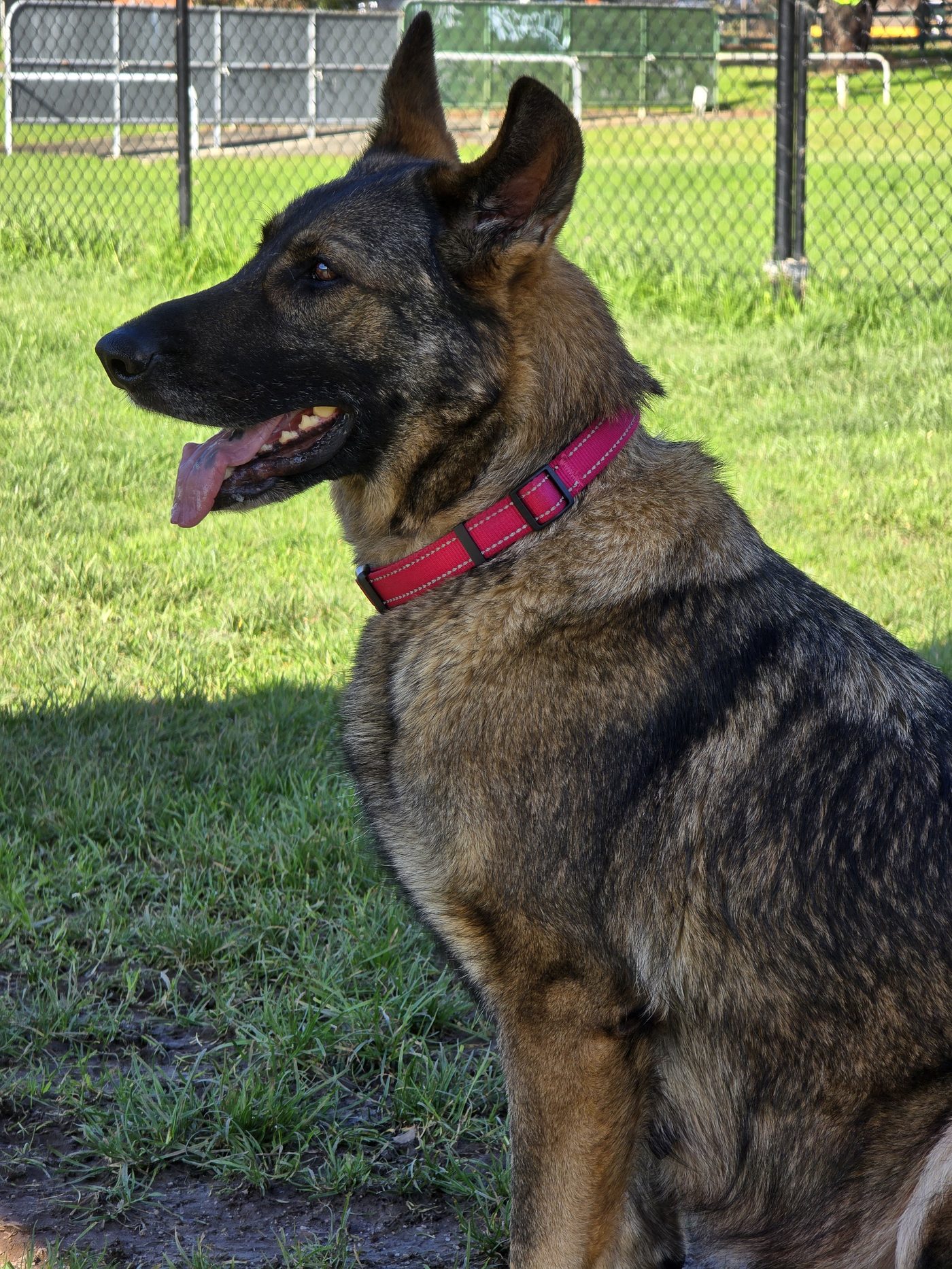
## 🐾 West German Working Line German Shepherds – What Makes Them Different? One of the most common questions we see is: **"What exactly is a West German Working Line German Shepherd?"** West German Working Line (WGWL) German Shepherds were selectively bred in Germany with the primary focus on **working ability, sound temperament, health, and functional structure** rather than appearance alone. Some key characteristics include: 🐺 **Strong Working Drive** – They are typically bred for high trainability, problem-solving ability, and a willingness to work alongside their handler. 🧠 **Stable Nerves** – Ethical breeders place significant emphasis on confident, environmentally stable dogs that can cope with pressure and recover quickly from stressful situations. 💪 **Athletic Build** – WGWL dogs generally have a more functional, athletic physique designed for endurance and agility rather than exaggerated angulation. ❤️ **Health Testing** – Responsible breeders commonly screen breeding dogs for hips, elbows, and other hereditary conditions before breeding. 🏆 **Versatility** – These dogs excel in many disciplines, including: * Protection sports * Obedience * Tracking * Detection work * Search and rescue * Service and assistance work * Active family companionship (with appropriate training and exercise) It's important to remember that **not every WGWL German Shepherd is suitable for every home**. Their intelligence and energy mean they thrive with consistent training, mental stimulation, and an active lifestyle. ### 💬 Let's Discuss! 1️⃣ What do you believe is the biggest strength of the West German Working Line? 2️⃣ Do you own one? Tell us about your dog's personality. 3️⃣ Have you noticed differences between West German Working Lines and show lines? 4️⃣ In your opinion, what qualities should responsible breeders prioritise most—temperament, health, working ability, or structure? 📸 **Bonus:** Share a photo of your WGWL German Shepherd and tell us what they love doing most!
Hayley
6/9/2026
Pups and dogs that dig! Share your tips
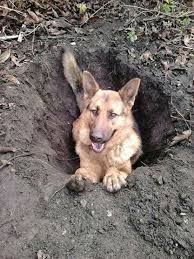
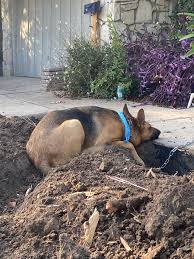
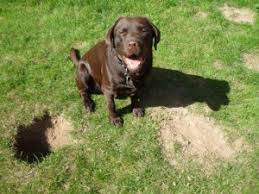
Here is a quick summary of why dogs dig: Instinct: Burying food or chasing underground prey. Comfort: Escaping heat or creating a cozy bed. Emotions: Relieving boredom, loneliness, or anxiety. Escape: Trying to break out of the yard. Puppies often dig out of boredom, breed instinct, or to cool down. What is your go-to method for redirecting this behavior? Some owners swear by dedicated digging pits filled with sand and buried toys, while others focus on increasing mental stimulation through puzzle toys and extra exercise to tire them out. If your puppy is a persistent digger, have you found success with physical barriers, or did behavioral training work best? Let’s share our most effective tips for protecting our yards while keeping our puppies happy!
Hayley
6/4/2026
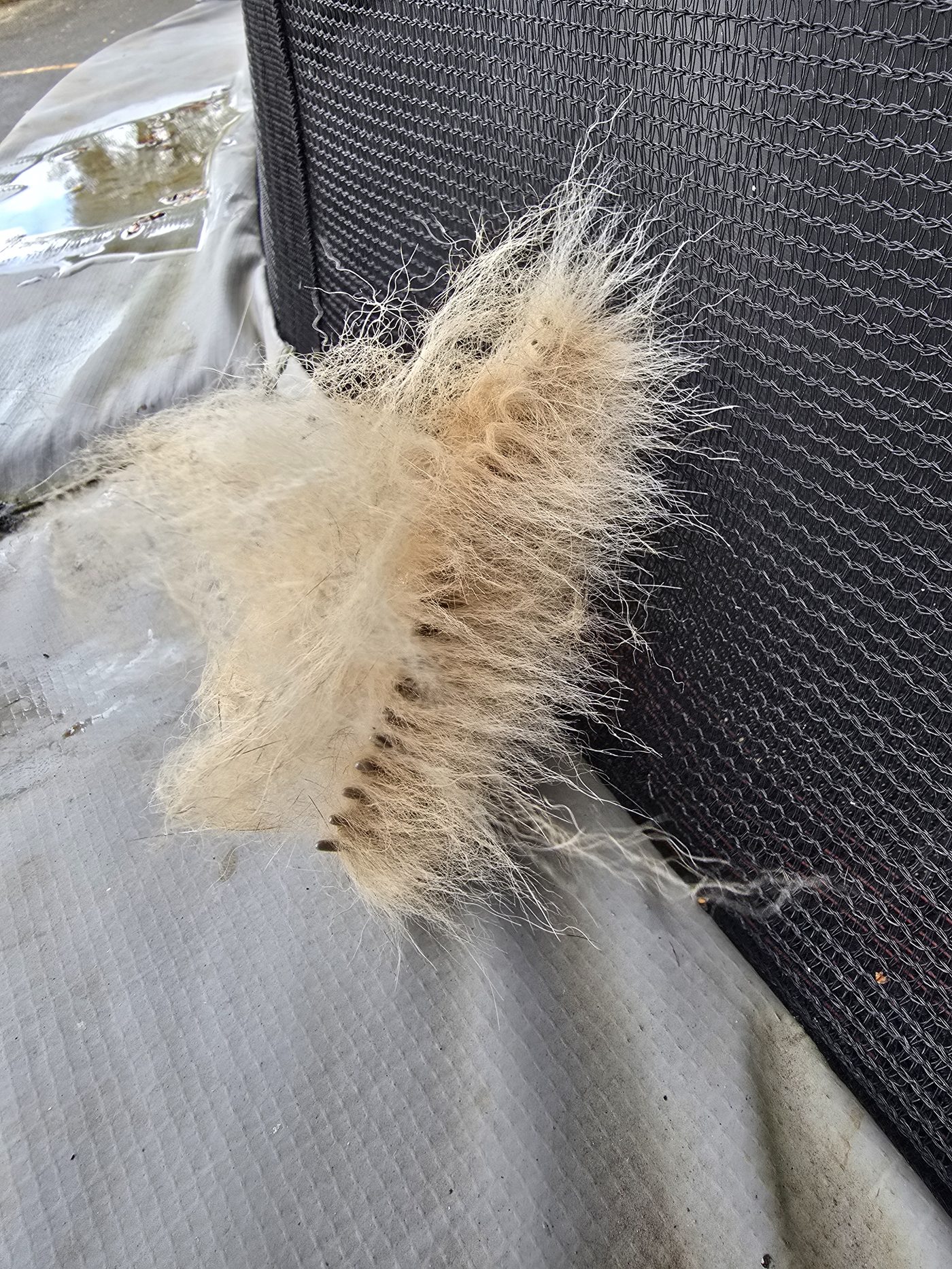
Shedding! Love the pluck!
I love shedding season. Does everyone else love plucking the tufts of German Shepherd fur especially, that forms on their coat and begs to be pulled out? GSD and Labs only shed twice a year for 6 months at a time, no biggie 🤣
Hayley
5/31/2026
Is your Lab a professional food detective? 🕵️♂️🍗
Ever notice how your Labrador can hear a cheese wrapper from three rooms away? It turns out they aren't just greedy—they are biologically engineered to obsess over food! Here is why your Lab is a professional snack-finder:Superpower Sniffers: Labs have up to 300 million olfactory receptors (compared to our measly 5 million). They don't just smell "dinner"; they can smell every individual ingredient in the bowl. The "Hungry Gene": Many Labs carry a mutation in the POMC gene. This mutation scrambles the signal that tells their brain they are full, meaning they feel genuinely hungry most of the time! For them, finding food is a high-stakes scavenger hunt driven by an unstoppable nose. Community Poll: How does your Lab use their superpower? Option A: They can sniff out a dropped crumb in pitch-black darkness. Option B: They open cupboards and cabinets to help themselves. Option C: They know the exact sound of their specific food container. Option D: All of the above—they are an unstoppable eating machine!
The big dog
5/19/2026
Teething! How annoying is the biting
Quick tips for 6-month puppy mouthing & biting! 🐾 At around 6 months old, your puppy is likely completing their teething phase and testing boundaries. This often leads to a sudden spike in mouthing, nipping, and biting. Here is a quick guide on how to handle this behavior effectively: Redirect immediately: Always keep a toy or chew nearby. Swap your skin or clothes for an appropriate item before they make contact. Introduce healthy chews: Offer single-protein, air-dried treats from Dogs Are Lyfe. Available in the shop these treats provide massive nutritional benefits, offer excellent dental support by scraping away plaque as they chew, and deliver vital mental enrichment to soothe their busy brains. Remove attention: If nipping continues, instantly turn your back and cross your arms. Completely ignore them for 10 to 20 seconds. Use time-outs: Walk behind a baby gate or into another room if they persist. This teaches them that biting makes the fun stop. Avoid physical punishment: This can cause fear or turn biting into a defensive reaction. Consistency from everyone in the household is key to surviving this phase. Please let me know if you need any more help. Best regards Hayley
Install Bambislegacy Family
Add to your home screen for one-tap access.
If Android shows a Play Protect warning, tap Install anyway — the app is safe and served over HTTPS.